
Uganda’s public broadcasting combines national television with radio services rooted in particular regions and languages. UBC’s published descriptions of Totoore FM and UBC West show why a national broadcaster’s name alone does not identify the community, medium or language a person wants to follow.
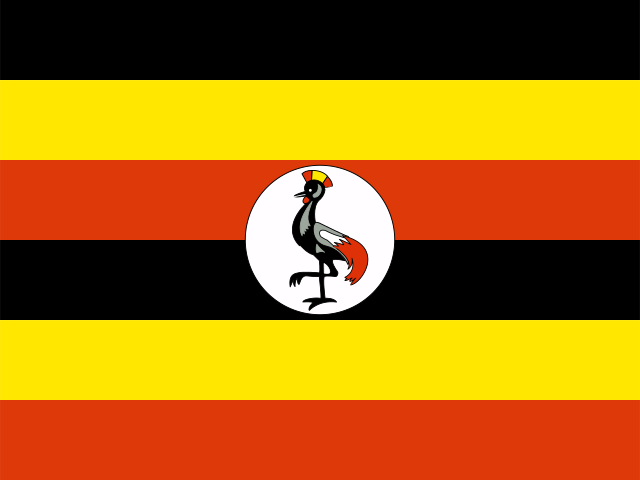
At a glance
| Reference | Detail |
|---|---|
| National television institution | Uganda Broadcasting Corporation |
| Regional radio example | Totoore FM — Moroto, Karamoja |
| Western production setting | UBC West — Mbarara studio account, July 2022 |
National television and regional radio have different scopes
UBC’s television page describes its public-national broadcasting remit, including information, education and national radio-and-television coverage. That institutional role explains the umbrella organization. It does not make every regional service a television channel or assign one language to all of its output.
For a Uganda-focused search, the full service name is therefore useful. A national television listing answers a different question from a regional radio description. The community or language being sought can determine which part of the broadcaster is the relevant starting point.
Totoore FM connects a service with Karamoja
UBC places Totoore FM in Moroto, serving the Karamoja region. Its profile lists Kiswahili, Karamojong, Iteso, Kupsabiny and English. This is a concrete regional-language description, rather than a statement that an arbitrary Ugandan television program has all five spoken-language options.
The location and named languages make the service identifiable even when a short catalog omits the regional context. A person following Karamoja community information can use those details to distinguish Totoore from another UBC radio service with a different geographic audience.
UBC West illustrates community-centered production
The broadcaster’s July 2022 account of UBC West’s Mbarara studio launch describes its Runyakitara and English context, alongside news, drama, awareness programs and other community-oriented work. It explains the relocation toward the communities the station serves.
This dated example connects a national institution with western Uganda’s local production setting. It is not a present-day frequency survey or a permanent timetable. Taken together, UBC television, Totoore’s Karamoja profile and the UBC West account show three different levels of identification: the national organization, the regional service and the particular production or edition. Those distinctions help retain the local meaning behind Uganda’s broadcasting names.
Country and language reference
| Reference | Detail |
|---|---|
| Directory name | Uganda |
| ISO code | UG |
| Region | Africa |
| Capital reference | Kampala |
| Language context (CLDR snapshot) | Swahili, English |
A dated clock example
A program time needs a date and a named time zone. The example below converts the same fixed UTC instant into the zones recorded for this directory entry; it is an illustration rather than a live clock.
| IANA time zone | Local date and time | UTC offset |
|---|---|---|
| Africa/Kampala | 2026-11-04 23:00:00+03:00 | +0300 |
Useful answers
Which region does UBC associate with Totoore FM?
Its profile places the service in Moroto and identifies Karamoja as its regional context.
Does UBC West’s name identify a separate television channel?
The cited July 2022 studio-launch account explicitly concerns UBC West radio and its western-Uganda community role.