
The French Southern Territories require a different kind of viewing guide from an ordinary residential television market. The TAAF administration identifies a French overseas territory with special status and no permanent population. Its bases host scientists, environmental staff, military personnel and technical or support teams for limited stays.
Documentaries and official media about these places can therefore be more relevant than a supposed list of local household channels. The actual district, research activity and production date provide essential context for understanding the images.
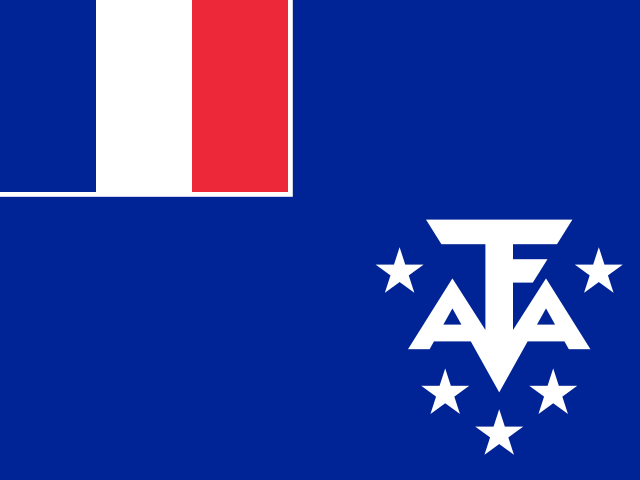
At a glance
| Reference | Detail |
|---|---|
| Geographic status | French overseas territory and collectivity with special status; no permanent population |
| Administrative headquarters | Saint-Pierre, Réunion |
| Media context | Coordinated media and documentary projects in the districts |
The administrative geography covers very different environments
France's Overseas Ministry describes five TAAF districts: Crozet, Kerguelen, Saint-Paul and Amsterdam, Terre Adélie in Antarctica, and the scattered islands known as the Îles Éparses.
Those are not neighboring parts of one town. The ministry places them across southern and tropical Indian Ocean environments and Antarctica. Its account discusses scientific work, seabirds, marine mammals and other ecosystems, explaining why productions may concern very different habitats under the same administrative name.
The TAAF administration's headquarters in Saint-Pierre, Réunion, should likewise not be mistaken for a permanent civilian capital settlement on Kerguelen.
Filming projects have a documented process
TAAF's 2026 media-project call covers documentary, artistic and other media proposals for work in its districts. The communication service coordinates projects with the relevant district teams, administrative services and, where appropriate, the French Polar Institute.
That arrangement reflects the practical conditions of working in isolated places. A filming project needs to fit the district's actual circumstances and logistics; a production's TAAF association does not mean it was made everywhere in the territory.
Scientific footage and a television market are different things
The Overseas Ministry connects the territory with research and biodiversity work. Supply and support arrangements also differ between the southern districts and Antarctica, with Marion Dufresne and L'Astrolabe identified in the official account.
For viewers, these details make a documentary's location more meaningful: a seabird colony, a scientific base or a supply voyage offers a different perspective. They do not establish locally produced television for a permanent resident population.
Read the place and activity together when exploring TAAF media. That preserves the distinction between official scientific communication, a commissioned documentary and footage from a particular district, while respecting the territory's actual population and administrative status.
Country and language reference
| Reference | Detail |
|---|---|
| Directory name | French Southern Territories |
| ISO code | TF |
| Region | Africa |
| Capital reference | Saint-Pierre, Réunion |
| Language context (CLDR snapshot) | French |
A dated clock example
A program time needs a date and a named time zone. The example below converts the same fixed UTC instant into the zones recorded for this directory entry; it is an illustration rather than a live clock.
| IANA time zone | Local date and time | UTC offset |
|---|---|---|
| Indian/Kerguelen | 2026-11-05 01:00:00+05:00 | +0500 |
Useful answers
Do the French Southern Territories have a permanent local household audience?
TAAF officially states that it has no permanent population. Its bases accommodate personnel for limited assignments and scientific or support work.
Does a TAAF documentary necessarily show Kerguelen?
No. The administration covers several widely separated districts. The production’s specific location is needed to distinguish Kerguelen from the other settings.