
South Sudan's media includes public television and radio as well as separately operated radio journalism. The Ministry of Information identifies SSBC as the public broadcaster, while Eye Radio describes its own news, current-affairs and community-programming role.
These are different institutions and media settings. A report published by Eye Radio is not automatically an SSBC television production, even when both cover the same national development or public event.
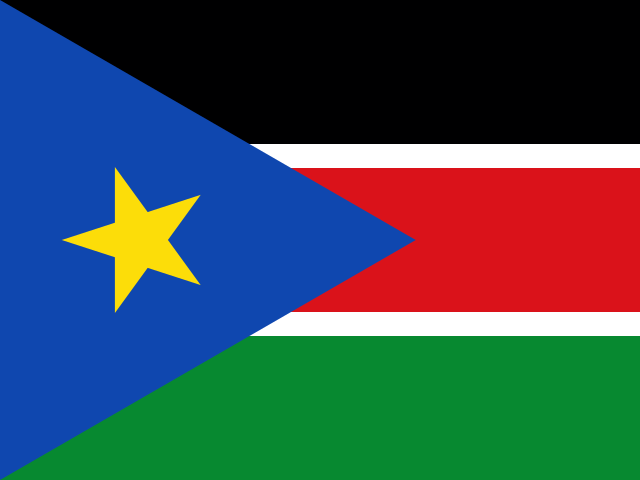
At a glance
| Reference | Detail |
|---|---|
| Public broadcaster | South Sudan Broadcasting Corporation / SSBC |
| Radio languages | Eye Radio describes English, Simple Arabic and seven local languages |
| Program examples | The Dawn, Sundown and civic-education productions |
SSBC has an institutional public-service role
The ministry's SSBC introduction describes a public broadcasting institution with an information, education and entertainment mandate. It connects the broadcaster with the national public and accountability through the National Assembly.
Those statements explain the institution's assigned role. They should be read as an official description, rather than an independent rating of editorial quality or proof of uninterrupted reception in every part of the country.
Eye Radio identifies several program formats
Eye Radio's station profile names The Dawn and Sundown as current-affairs productions. It also describes civic-education initiatives such as Search for Peace and Talk to the People, alongside entertainment including music and song-request programs.
The mix gives listeners several different reasons to follow the station. A public-affairs interview, a civic discussion and a music program use different editorial structures even when they share an audio destination.
Language and local reporting add community context
The station describes broadcasts in English, Simple Arabic and seven local languages. Its current program navigation separately identifies English and Arabic evening news, Sundown and a Rhumba show.
Those are specific service and production labels. They do not mean every item has all languages available or that a radio language statement establishes an SSBC television soundtrack.
Eye Radio also describes reporting from the states and lists local broadcast locations including Juba, Wau, Torit and Malakal. The named town or state helps locate a report's community context within a national news collection.
Distinguish the program from the web story
Eye Radio's website publishes written reports, opinion material and audio-oriented program routes. A written community story and a complete radio edition can address related subjects without being the same item.
For someone following South Sudan, the closer choice is therefore the institution, medium and subject: public television, a radio current-affairs discussion, a language-labelled news edition or a report from a particular community. These distinctions reveal a broader media context without assuming uniform technical coverage or one shared national schedule.
Country and language reference
| Reference | Detail |
|---|---|
| Directory name | South Sudan |
| ISO code | SS |
| Region | Africa |
| Capital reference | Juba |
| Language context (CLDR snapshot) | Arabic, English |
A dated clock example
A program time needs a date and a named time zone. The example below converts the same fixed UTC instant into the zones recorded for this directory entry; it is an illustration rather than a live clock.
| IANA time zone | Local date and time | UTC offset |
|---|---|---|
| Africa/Juba | 2026-11-04 22:00:00+02:00 | +0200 |
Useful answers
Is Eye Radio another name for SSBC television?
No. The ministry identifies SSBC as the public broadcaster, while Eye Radio presents a separate radio newsroom and program collection.
Does Eye Radio’s multilingual profile mean every program has all listed languages?
No. The profile describes the station’s broader offering. Individual English, Arabic and other language-labelled productions remain separate.