
Papua New Guinea’s television context includes national public broadcasting and programs built around particular communities and cultural work. NBC’s published service description and EMTV’s archived Olsem Wanem episodes provide different starting points: the national media organization and a specific locally grounded story.
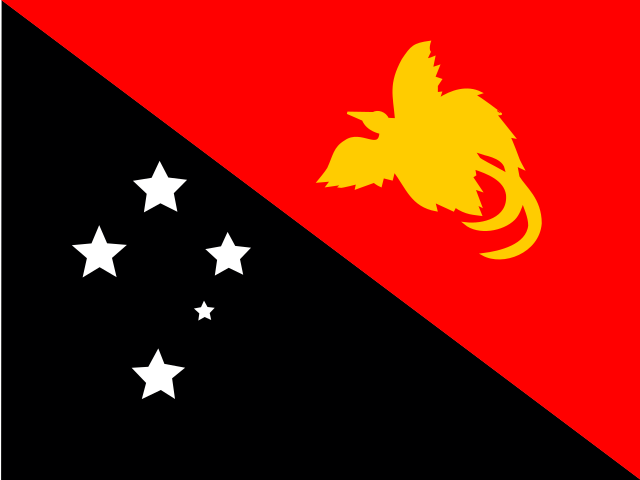
At a glance
| Reference | Detail |
|---|---|
| National public broadcaster | NBC PNG |
| Local educational-story example | Maprik resource-center episode — 2018 |
| Literary television example | Crocodile Prize episode — 2017 |
NBC distinguishes television from national and youth radio
NBC identifies itself as Papua New Guinea’s national public broadcaster across radio, television and online. Its television page describes bulletins and national-event coverage, while its listening information separately identifies National Radio and youth-oriented Tribe FM.
These are related services with different media identities. A national radio program should not be mistaken for a television broadcast simply because both are published by NBC. The full service and program name help identify which kind of material is being presented.
A Maprik episode makes the community setting explicit
EMTV’s March 2018 Olsem Wanem record describes an episode about a resource center in Maprik, East Sepik Province. It connects the center with a partnership between the district and the University of Goroka, addressing education closer to the local community.
That archived episode is useful for researching the way television presented a particular education initiative. Its 2018 date matters: the program record explains the story as it was introduced then, rather than supplying a current enrollment notice or a new assessment of the center’s services. Maprik and the episode title together identify the relevant local account.
A literary episode offers another national-cultural perspective
A separate March 2017 Olsem Wanem episode concerned the Crocodile Prize writing competition. EMTV described its purpose as encouraging Papua New Guineans to tell their stories, with selected work appearing in an anthology. The television discussion and the published writing were related but distinct cultural forms.
For a viewer exploring local storytelling, this is a different route from the education-center episode or a national news bulletin. Keeping the program, subject and original year together preserves the particular contribution of each work. National-service descriptions explain the media landscape; local episode records show how communities and cultural activities entered that television landscape.
Country and language reference
| Reference | Detail |
|---|---|
| Directory name | Papua New Guinea |
| ISO code | PG |
| Region | Oceania |
| Capital reference | Port Moresby |
| Language context (CLDR snapshot) | Tok Pisin, English, Hiri Motu |
A dated clock example
A program time needs a date and a named time zone. The example below converts the same fixed UTC instant into the zones recorded for this directory entry; it is an illustration rather than a live clock.
| IANA time zone | Local date and time | UTC offset |
|---|---|---|
| Pacific/Port_Moresby | 2026-11-05 06:00:00+10:00 | +1000 |
| Pacific/Bougainville | 2026-11-05 07:00:00+11:00 | +1100 |
Useful answers
Is Tribe FM a different name for NBC television?
No. NBC’s own page distinguishes its television route from National Radio and youth-oriented Tribe FM.
Are the Maprik and Crocodile Prize episode pages current public notices?
They are archived Olsem Wanem records from 2018 and 2017 respectively. They document those television subjects at the time.