Whakaata Māori describes an indigenous broadcasting purpose centered on Māori language and culture. That makes original programme names, language learning, documentaries and cultural coverage useful New Zealand subjects alongside general television and sport. A directory should preserve macrons and distinguish the programme's spoken language from any subtitle option documented for that title. It should also avoid treating indigenous broadcasting as merely a translated version of a mainstream channel. Practical viewing context includes the local calendar date: many events staged in Europe or North America occur the following day in New Zealand. Local programme identity and a clearly converted date together provide more value than a country-name page with generic viewing advice.
Preserve Māori macrons and official programme titles. Describe Māori/English audio or subtitles only when documented for the particular programme.
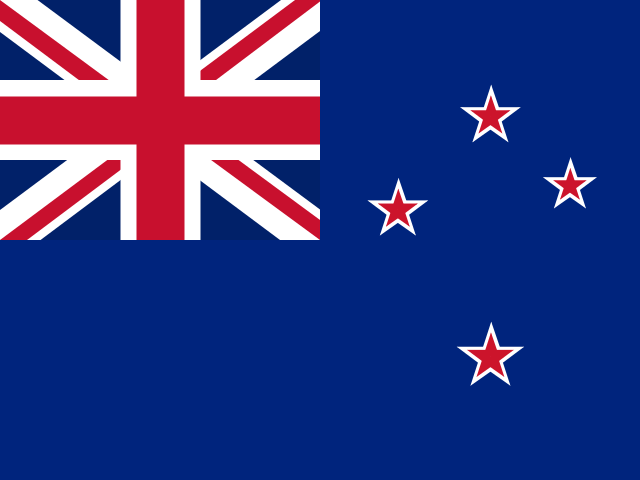
Country and language reference
| Reference | Detail |
|---|---|
| Directory name | New Zealand |
| ISO code | NZ |
| Region | Oceania |
| Capital reference | Wellington |
| Language context (CLDR snapshot) | English, Māori |
A dated clock example
New Zealand’s 2026/27 daylight-saving period runs September 27 to April 4. Government guidance states that Chatham Islands time is forty-five minutes ahead of New Zealand standard time, so it requires its own location-based schedule display.
| IANA time zone | Local date and time | UTC offset |
|---|---|---|
| Pacific/Auckland | 2026-11-05 09:00:00+13:00 | +1300 |
| Pacific/Chatham | 2026-11-05 09:45:00+13:45 | +1345 |
Viewing questions with a local answer
- Whakaata Māori language and cultural programming
- Māori macrons and native programme titles
- Next-day overseas sport and Chatham Islands timing