
New Caledonia's government describes it as an overseas collectivity with special status. Its local media collections reflect a distinct social and cultural setting within the Pacific, rather than simply reproducing a mainland French program list.
Nouvelle-Calédonie la 1ère's catalog explicitly separates television, radio and digital productions. Within that collection, social questions, local biodiversity and audience participation provide different ways to follow life in New Caledonia.
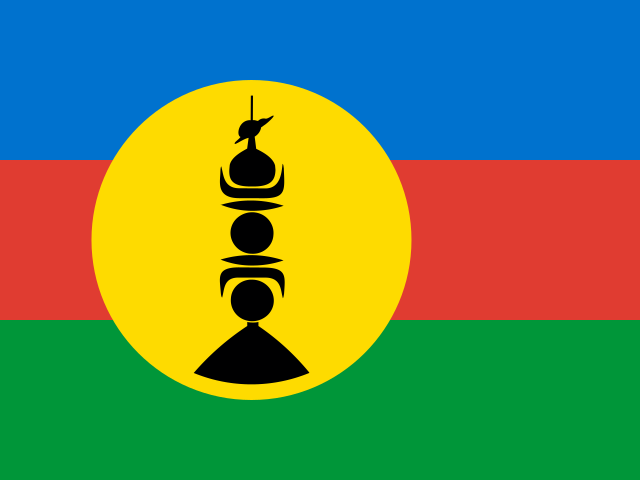
At a glance
| Reference | Detail |
|---|---|
| Geographic status | Overseas collectivity with special status |
| Social magazine | Ki Tiire combines a magazine and interview |
| Biodiversity production | Mille et une plantes |
| Radio interaction | Dans ma pirogue |
Plant films focus on a different local heritage
Mille et une plantes is described as a short-form production about New Caledonia's plant life. Its examples include tree ferns, mosses, carnivorous plants and plants associated with nickel-rich environments.
The subject provides another way to explore the territory: through its distinctive biodiversity rather than a current-affairs debate. The botanical program and Ki Tiire consequently belong to different viewing interests even though both concern local life and surroundings.
Radio offers its own form of audience participation
Dans ma pirogue is identified in the catalog as radio. Its production page describes a country-themed quiz, dedications and exchanges with listeners through text messages.
That interactive audio setting differs from either a plant film or a television magazine interview. A shared broadcaster can connect them without making the radio production another television channel.
For viewers and listeners outside New Caledonia, the medium and specific subject provide useful context together: a social issue examined in depth, a short biodiversity portrait or a radio conversation with listeners. Retaining those distinctions makes the local collection easier to understand while respecting New Caledonia's own special territorial and cultural setting.
Country and language reference
| Reference | Detail |
|---|---|
| Directory name | New Caledonia |
| ISO code | NC |
| Region | Oceania |
| Capital reference | Nouméa |
| Language context (CLDR snapshot) | French |
A dated clock example
A program time needs a date and a named time zone. The example below converts the same fixed UTC instant into the zones recorded for this directory entry; it is an illustration rather than a live clock.
| IANA time zone | Local date and time | UTC offset |
|---|---|---|
| Pacific/Noumea | 2026-11-05 07:00:00+11:00 | +1100 |
Useful answers
Is Dans ma pirogue a television documentary?
The broadcaster’s catalog identifies it as radio, with quizzes, dedications and listener interaction. It differs from the television program collection.
What makes Mille et une plantes specifically local?
Its introduction focuses on New Caledonia’s plant heritage, including tree ferns, mosses, carnivorous plants and nickel-associated plants.