
Enfomasyon Nou Dwe Konnen, usually shortened to ENDK, was a Haitian radio information program created after the January 2010 earthquake. Internews’ original project reporting and a 2012 media guide describe how reporting, listener questions and partner-station distribution fit together.
This is a historical program example. Its old assistance information and program slots should remain tied to that emergency period.
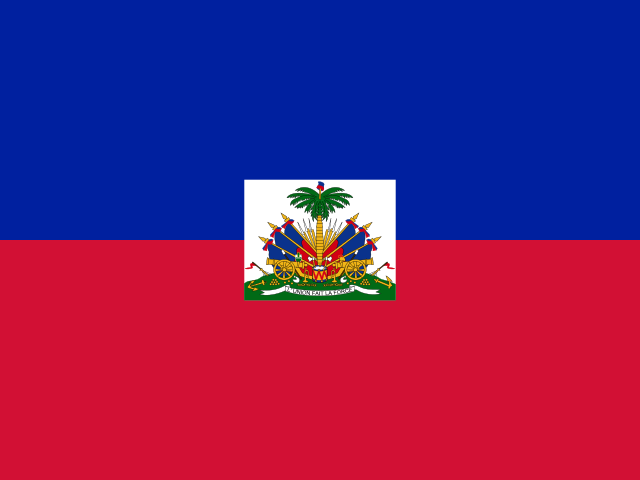
At a glance
| Reference | Detail |
|---|---|
| Historical format | ENDK was a 20-minute humanitarian radio magazine produced after January 2010 |
| Language distribution | Creole reports distributed to partner radio stations |
| End date | Media guide records ENDK ending in May 2012 |
A magazine assembled practical field reports
Internews describes a daily 20-minute program prepared by Haitian journalists. Its topics included where people could obtain assistance, replace lost identification papers and protect temporary shelter from rain. The 2012 media guide identifies the program as a Creole magazine made from short reports, including voices recorded in the field.
That format differs from a continuous station feed or a single interview. When identifying an old recording, retain ENDK and the edition date, then the subject of the particular report. A complete magazine can contain several separate questions and locations.
Listener questions were part of the production process
The historical media guide describes a Mailbox feature that answered questions submitted by listeners. Internews’ own case study also explains how audience research informed story selection. These records document a feedback process around the program, rather than only announcements sent outward by an aid organization.
For someone studying the archive, the useful comparison is between the concern raised and the information supplied in response. Keep that exchange and its date together. The examples do not establish that a named assistance service, contact or eligibility rule remains valid today.
The program and its carrying stations were different entities
The 2012 guide describes recordings being distributed to partner radio stations, including local CD delivery and online file distribution. It records the end of ENDK in May 2012. A station that once carried the magazine therefore has its own identity and programming beyond this project.
Use the project name for the historical production and the station name for the outlet carrying an edition. That makes it possible to trace Haiti’s emergency-radio history without treating a past program as an active national channel.
Country and language reference
| Reference | Detail |
|---|---|
| Directory name | Haiti |
| ISO code | HT |
| Region | North America |
| Capital reference | Port-au-Prince |
| Language context (CLDR snapshot) | Haitian Creole, French |
A dated clock example
A program time needs a date and a named time zone. The example below converts the same fixed UTC instant into the zones recorded for this directory entry; it is an illustration rather than a live clock.
| IANA time zone | Local date and time | UTC offset |
|---|---|---|
| America/Port-au-Prince | 2026-11-04 15:00:00-05:00 | -0500 |
Useful answers
Was ENDK a television channel?
The original project sources describe a 20-minute radio magazine distributed to partner stations, rather than a television channel.
Can an ENDK assistance announcement be used as current guidance?
Keep it historical. The guide records the program ending in May 2012; current assistance details need a current responsible source.