
The Faroe Islands have their own public broadcaster, Kringvarp Føroya, commonly shortened to KVF. A viewing search for the islands should start with that Faroese service and its local programs, rather than assuming that a Danish national television listing supplies the same coverage.
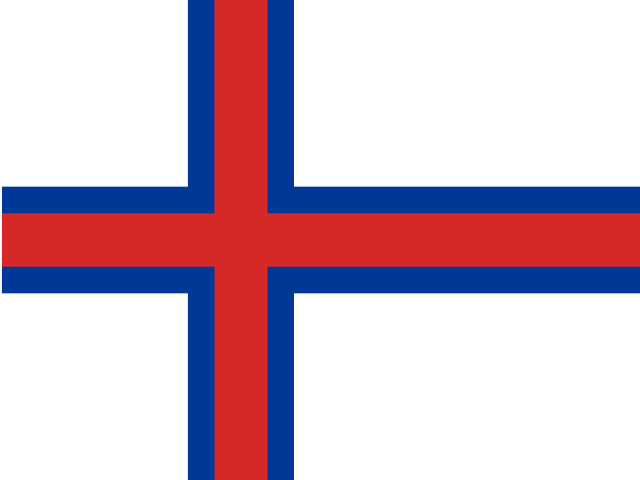
At a glance
| Reference | Detail |
|---|---|
| Territorial scope | Autonomous nation and separate jurisdiction within the Kingdom of Denmark. |
| Public broadcaster | KVF is the Faroese national public broadcasting company. |
| Local news | Dagur og vika focuses mainly on Faroese affairs while covering major world events. |
A Faroese service within a distinct jurisdiction
The Faroese government describes the islands as an autonomous nation within the Kingdom of Denmark, with internal and external autonomy. It also describes a separate jurisdiction. This is the geographic and constitutional scope of this guide; the Faroe Islands are not presented here as an independent sovereign state.
KVF identifies itself as the islands’ national public broadcasting company. Its combined radio-and-television organization was formed by merging the earlier Faroese radio and television networks. For a viewer, the practical point is the presence of an island-focused institution with both sound and television output, not a generic replacement for every service available from Denmark.
Dagur og vika gives the local news context
KVF describes Dagur og vika as news with deeper treatment of current affairs. Most of its reporting is Faroese, including politics, the economy and conversations with people, while major events abroad also receive coverage. This balance makes the program useful for following island affairs in a wider world context.
The official program page keeps dated editions, including November 2026 entries at this observation. A dated edition is a record of the news agenda at that time. It should not be described as a permanent guide to today’s transport, public services or political circumstances.
Radio, television and a news article are different formats
KVF navigation separates the radio schedule, television schedule, live television and live radio. Faroese labels such as Útvarpsskrá and Sjónvarpsskrá help identify the two schedules. This distinction prevents an audio program from being mistaken for a missing television picture.
The broadcaster’s English about page explains the institution, but that English description does not establish English narration or subtitles for Dagur og vika. Follow the individual program’s information for language and format. The official pages document services and editorial roles; no overseas playback entitlement or reception test is established by this guide.
Country and language reference
| Reference | Detail |
|---|---|
| Directory name | Faroe Islands |
| ISO code | FO |
| Region | Europe |
| Capital reference | Tórshavn |
| Language context (CLDR snapshot) | Faroese |
A dated clock example
A program time needs a date and a named time zone. The example below converts the same fixed UTC instant into the zones recorded for this directory entry; it is an illustration rather than a live clock.
| IANA time zone | Local date and time | UTC offset |
|---|---|---|
| Atlantic/Faroe | 2026-11-04 20:00:00+00:00 | +0000 |
Useful answers
Are the Faroe Islands simply covered here as Denmark?
No. The government describes an autonomous nation and separate jurisdiction within the Kingdom of Denmark. KVF supplies Faroese public broadcasting with an island-focused news agenda.
What is Dagur og vika useful for?
KVF describes it as predominantly Faroese news with deeper current-affairs reporting, including politics, the economy and interviews. Major world events are also covered; each archived edition reflects its own date.