
Eritrea’s Ministry of Information presents television records, radio history, news articles and newspapers through Shabait. For a viewer researching Eritrean media, the important first distinction is the format and publication date. An Eri-TV interview, a historical radio account and a written news article provide different kinds of material.
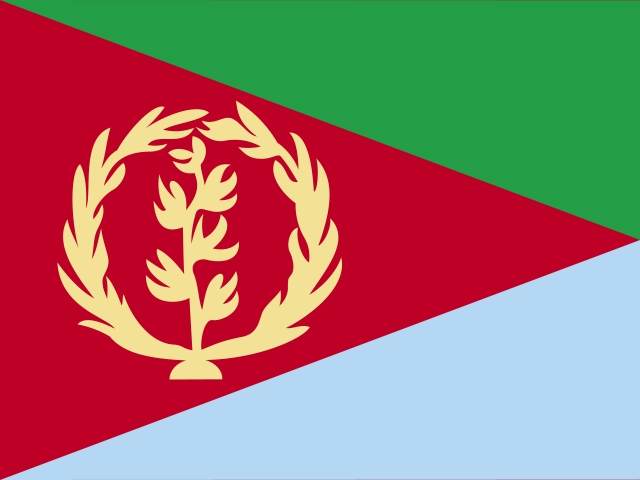
At a glance
| Reference | Detail |
|---|---|
| Publisher scope | Shabait identifies Eritrea’s Ministry of Information as publisher. |
| Recorded formats | Eri-TV category includes interviews, event reportage and documentaries. |
| Radio history | Ministry 2021 account documents Dimtsi Hafash’s language development. |
Eri-TV’s collection includes more than short news clips
The ministry’s Eri-TV category contains dated interviews, event reportage and documentary material. One recorded item is labeled Crocodile Tears — Eri-TV Documentaries, while others concern commemorations and official interviews. These titles establish different production formats within the published collection.
A long interview or commemoration recording should not be mistaken for a currently running news bulletin. Several category entries are explicitly dated to earlier years. Their continued presence online documents an archive item, not that the event is happening now or that the same item occupies today’s linear television schedule.
Dimtsi Hafash’s history documents language development
A January 2021 ministry account describes Dimtsi Hafash’s development from radio in Tigrinya and Arabic into additional Eritrean-language output. It discusses Afar, Tigre, Kunama, Blin, Saho, Nara and other services, and describes cultural discussion and audience participation as parts of its radio role.
The same historical account distinguishes FM developments associated with Radio Zara and Radio Numa. This provides context for understanding why several Eritrean radio names may appear in a catalog. It is a historical source, however; it does not establish a current complete language schedule, a working frequency or a selectable translation track for a television recording.
Keep the publisher and the medium visible
Shabait identifies its publisher as the Eritrea Ministry of Information and separates local news, newspapers, questions-and-answers and Eri-TV material. Those labels help identify whether a result is ministry reporting, a newspaper edition or a recorded television production.
An English article can explain the subject without establishing English audio or captions on an associated video. Likewise, a ministry statement describes that publisher’s account; this guide does not independently certify its editorial claims. Use the original title, medium and date together when comparing material, especially where older recordings appear beside more recent written news.
Country and language reference
| Reference | Detail |
|---|---|
| Directory name | Eritrea |
| ISO code | ER |
| Region | Africa |
| Capital reference | Asmara |
| Language context (CLDR snapshot) | Tigrinya, English, Arabic |
A dated clock example
A program time needs a date and a named time zone. The example below converts the same fixed UTC instant into the zones recorded for this directory entry; it is an illustration rather than a live clock.
| IANA time zone | Local date and time | UTC offset |
|---|---|---|
| Africa/Asmara | 2026-11-04 23:00:00+03:00 | +0300 |
Useful answers
Does an Eri-TV archive item establish the current television schedule?
No. The ministry collection includes explicitly dated interviews, documentaries and event recordings from earlier years. A retained item establishes a publication, not today’s running order.
Can the 2021 Dimtsi Hafash account establish every current language service?
No. It documents the radio service’s language development and historical role. Current schedules, frequencies and individual program languages would need newer, specific evidence.