
Western Sahara requires precise geographic and publisher context when researching television. The United Nations lists it as a Non-Self-Governing Territory, with its entry dating from 1963. A television channel's branding or political vocabulary does not replace that institutional designation.
Media concerning the territory also comes from different institutions with different perspectives. Morocco's SNRT presents Laâyoune television within its network, while the Saharawi Republic describes its own television and radio activities in a report submitted to the African Commission. These are distinct sources, rather than interchangeable names for one broadcaster.
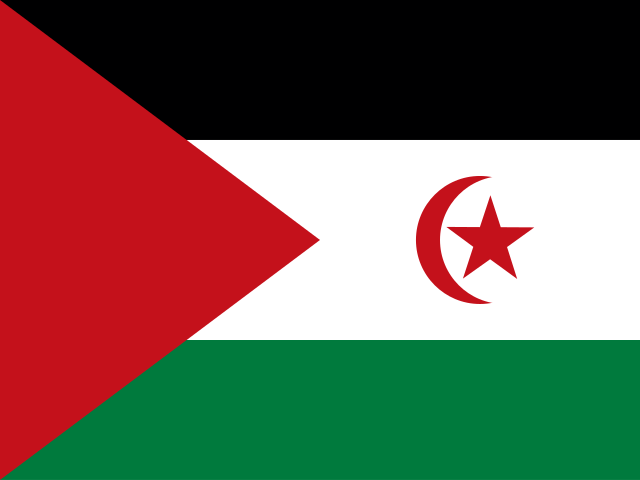
At a glance
| Reference | Detail |
|---|---|
| Geographic status | Western Sahara is on the UN list of Non-Self-Governing Territories |
| Cultural programmes | Layali Lafrig and Konoz Mina Sahra on SNRT Laâyoune |
| Self reported radio | Arabic and Spanish national radio described in the Saharawi Republic’s report |
SNRT Laâyoune includes cultural and community programs
SNRT's official program page identifies Layali Lafrig through Hassani cultural customs and Konoz Mina Sahra through Bedouin family life and traditions. It separately describes Amnir through landscapes and historical places, and Agenda through regional cultural, artistic and sports activity.
Those named productions give viewers specific cultural subjects to explore. A family-tradition magazine, a landscape program and a regional activity roundup have different purposes, even within the same channel collection.
SNRT's descriptions also use the Moroccan publisher's regional and political framing. Recognizing that authorship keeps the program information useful without adopting its terminology as a final determination of sovereignty.
The Saharawi Republic reports a different media structure
The Saharawi Republic's combined report covering 2013–2025, submitted in May 2026 and hosted by the African Commission, lists television, radio, press and web media among its activities. It describes national radio in Arabic and Spanish and discusses online communication with Saharawis and diaspora audiences.
These are claims in the submitting institution's own report. Hosting the document at the African Commission does not turn every operational assertion into an independently tested finding about reception or present-day coverage.
The radio and television roles also remain different: an Arabic- or Spanish-language radio description does not establish the audio tracks of every television program.
Place and publisher should stay visible
For a cultural program, retain the production title and the institution presenting it. For a public-affairs item, the publisher and location provide additional context for its perspective.
The UN territorial designation, SNRT's named cultural productions and the Saharawi Republic's self-reported media structure answer different questions. Keeping them distinct helps viewers research Western Sahara without implying a resolved political status or a single uniform broadcasting service across the territory and its communities abroad.
Country and language reference
| Reference | Detail |
|---|---|
| Directory name | Western Sahara |
| ISO code | EH |
| Region | Africa |
| Capital reference | Laayoune |
| Language context (CLDR snapshot) | Arabic |
A dated clock example
A program time needs a date and a named time zone. The example below converts the same fixed UTC instant into the zones recorded for this directory entry; it is an illustration rather than a live clock.
| IANA time zone | Local date and time | UTC offset |
|---|---|---|
| Africa/El_Aaiun | 2026-11-04 20:00:00+00:00 | +0000 |
Useful answers
Does a television channel’s national branding determine Western Sahara’s UN status?
No. The UN separately lists Western Sahara as a Non-Self-Governing Territory. A broadcaster’s vocabulary reflects its own institutional perspective.
Is the Saharawi media report an independent technical test by the African Commission?
No. It is the Saharawi Republic’s submitted report hosted by the Commission. Its operational statements should remain attributed to the submitting institution.