
The Dominican Republic’s RTVD presents public television through several service and program names. A morning magazine, a family series, sports discussion and historical animation serve different needs. Trinitarios also has a documented use beyond ordinary broadcasting through the Education Ministry’s EDU+ platform.
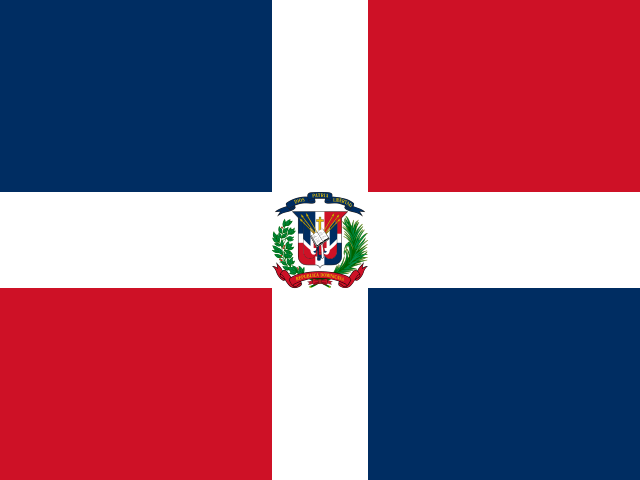
At a glance
| Reference | Detail |
|---|---|
| Program formats | RTVD directory differentiates El Mangú interviews/reports from Luna Llena variety and sports/cooking titles. |
| Educational use | MINERD received Trinitarios for EDU+ in March 2026. |
| Service labels | RTVD homepage separately names 4,17, Internacional and CLIC destination. |
RTVD’s program names describe different formats
The broadcaster’s program directory describes El Mangú de la mañana as a space for interviews, reports, information and current affairs. Luna Llena is presented as nightly variety combining humor, culture, guests and topical material. These are different magazine formats, rather than alternative names for a conventional news bulletin.
Central Deportes identifies sports-related output, while the directory separately names La Cocina de Wandy and TopiTok. These specific titles make a more useful starting point than a generic Dominican entertainment label. Their presence in the directory does not establish a permanent running order, unchanged presenters or rights to a particular sporting event.
Trinitarios has a documented educational purpose
The Education Ministry’s March 2026 report says it received RTVD’s Trinitarios, origen de la libertad for the EDU+ educational platform. The report connects the production with learning about the country’s founding figures, national history and civic identity.
That is a specific use of a television production as a teaching resource. It is different from assuming that every RTVD entertainment show is part of the school curriculum. The ministry’s stated intention also does not certify an individual student’s learning outcome or establish English subtitles for the series.
A channel and a digital destination are different identifiers
The official RTVD homepage separately names RTVD 4, RTVD 17 and RTVD Internacional, and points viewers toward RTVD CLIC. Those are service and platform labels within a broader public-media presentation. They should not be collapsed into the title of any one series.
For a viewer interested in Dominican social and cultural life, the distinction is between the production’s subject, the channel identity and its viewing destination. A local family series or historical animation may be relevant even when the initial search began with news. The retrieved descriptions establish those editorial roles without promising identical international schedules, an entire permanent catalog or access through another provider.
Country and language reference
| Reference | Detail |
|---|---|
| Directory name | Dominican Republic |
| ISO code | DO |
| Region | North America |
| Capital reference | Santo Domingo |
| Language context (CLDR snapshot) | Spanish |
A dated clock example
A program time needs a date and a named time zone. The example below converts the same fixed UTC instant into the zones recorded for this directory entry; it is an illustration rather than a live clock.
| IANA time zone | Local date and time | UTC offset |
|---|---|---|
| America/Santo_Domingo | 2026-11-04 16:00:00-04:00 | -0400 |
Useful answers
What distinguishes Trinitarios from RTVD’s general entertainment?
The Education Ministry specifically documents Trinitarios as a national-history resource provided for EDU+. That is a named educational use, while RTVD also describes separate magazine, variety and sports productions.
Does RTVD CLIC identify a single television program?
The broadcaster presents it as a viewing destination alongside distinct channel and production names. A digital platform, an international service and an individual series should remain separately identified.