
Curaçao is a country within the Kingdom of the Netherlands, distinct from the Caribbean Netherlands public bodies. Its television context includes local audiences and people with connections to the island living in the Netherlands. A Kingdom label alone would miss those local and diaspora perspectives.
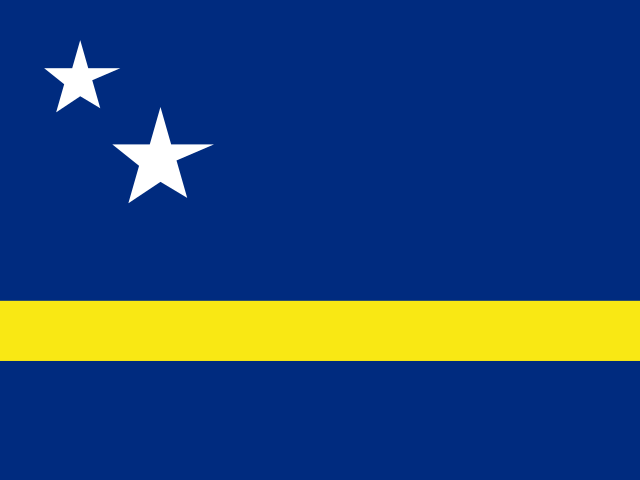
At a glance
| Reference | Detail |
|---|---|
| Constitutional scope | Country within the Kingdom of the Netherlands |
| Language remit | Nos Pais: Papiamentu, Dutch and English |
| Historical project date | Educational-series launch plan: September 2019 |
The language remit follows an audience across places
Nos Pais identifies Curaçao as its base and names Papiamentu, Dutch and English in its programming remit. Its institutional description connects audiences in the Caribbean and the Netherlands. That provides a specific reason for multilingual production beyond a generic international-channel label.
For someone sharing an item across a family or community, keep the production’s actual language context visible. A multilingual broadcaster can include different languages across its output without every program offering separate selectable tracks. The island base and overseas audience explain the remit; the individual version explains the presentation.
Young Voices and Two Generations begin with different speakers
Nos Pais’s educational-series description gives Young Voices a discussion role around young adults’ everyday concerns and self-reliance. Two Generations instead brings older and younger people into conversation about past, present and future. The speaker relationship is part of the format.
A viewer seeking young people’s own account and someone seeking an intergenerational exchange are therefore making different selections. The productions can address related questions while placing different experiences in the foreground. An educational aim also describes an intention; it is not evidence that a program produces a guaranteed social outcome.
The project’s date is part of the reference
The broadcaster’s related project page explicitly discusses a September 2019 launch plan for the educational series. That date anchors the descriptions as an older production initiative. A page remaining online should not be read as announcing a new 2026 season or an open participation request.
These sources provide a useful local viewing context: a Curaçao-based multilingual remit, a Caribbean-and-Netherlands audience and different kinds of generational conversation. Retaining those details helps someone find a relevant production without treating the island as a generic Dutch feed or converting a historical project page into today’s program schedule.
Country and language reference
| Reference | Detail |
|---|---|
| Directory name | Curaçao |
| ISO code | CW |
| Region | South America |
| Capital reference | Willemstad |
| Language context (CLDR snapshot) | Papiamento, Dutch |
A dated clock example
A program time needs a date and a named time zone. The example below converts the same fixed UTC instant into the zones recorded for this directory entry; it is an illustration rather than a live clock.
| IANA time zone | Local date and time | UTC offset |
|---|---|---|
| America/Curacao | 2026-11-04 16:00:00-04:00 | -0400 |
Useful answers
Is Curaçao one of the Caribbean Netherlands public bodies?
No. The Dutch government identifies Curaçao as a country within the Kingdom. Bonaire, Sint Eustatius and Saba are the separate Caribbean Netherlands public bodies.
Do the cited youth-series pages establish a new 2026 launch?
No. The related Nos Pais project page explicitly refers to a September 2019 launch plan. That date must remain attached to the initiative.