
Cuban television research benefits from separating educational productions, sports publishing and provincial reporting. Canal Educativo, Telerebelde and Tele Pinar each provide a different starting point within that range.
The distinction is more useful than a single list of Cuban channel names. A children's word-game production, a report about a Cuban athlete abroad and a Pinar del Río cultural story concern different audiences and places, even when all are published by Cuban television institutions.
At a glance
| Reference | Detail |
|---|---|
| Educational example | Peque Taller: children’s word-game production |
| Sports scope | Telerebelde publishes several sport-specific collections |
| Provincial context | Tele Pinar reports Pinar del Río province |
Canal Educativo provides a specific learning example
Canal Educativo's current presentation introduces Peque Taller through the word games Scrabble and Léxico. The named production connects children's television with language play, rather than simply reporting news about the education system.
The broadcaster also publishes written material about schools and cultural events. Those articles have a different purpose from a teaching or entertainment program. A report about the school year should not automatically be treated as a lesson edition or a permanent television slot.
Sports coverage reaches beyond one competition
Telerebelde's official site organizes material around baseball, boxing, athletics, volleyball, football, basketball and other sports. Its current collection includes Cuban domestic baseball and Cuban athletes competing overseas.
That breadth matters when looking for a particular subject. A story about a Cuban player in Japan concerns an athlete and an overseas competition; it does not, by itself, establish a live television showing of that event. The article's subject and an actual transmission listing are different records.
The same distinction applies to interviews, reports and video features in the sports collection. They can help follow a sporting career without being a complete match replay.
Provincial television adds a closer local perspective
Tele Pinar explicitly identifies itself with news from Pinar del Río province. Its collection includes local culture, the environment, education and community life, alongside named programs such as Tele Noticias, Raíz y Memoria and Así va la ciencia.
That provincial setting distinguishes it from a general request for national Cuban television. A cultural event in Pinar del Río or a story concerning Viñales has a particular local context, while a national sports collection may follow developments across several countries.
For viewers researching Cuba, retain both the production and its editorial setting: a Canal Educativo children's program, Telerebelde sports reporting or a Tele Pinar provincial story. These examples reveal different parts of the country's television culture without assuming one shared schedule or universal availability.
Country and language reference
| Reference | Detail |
|---|---|
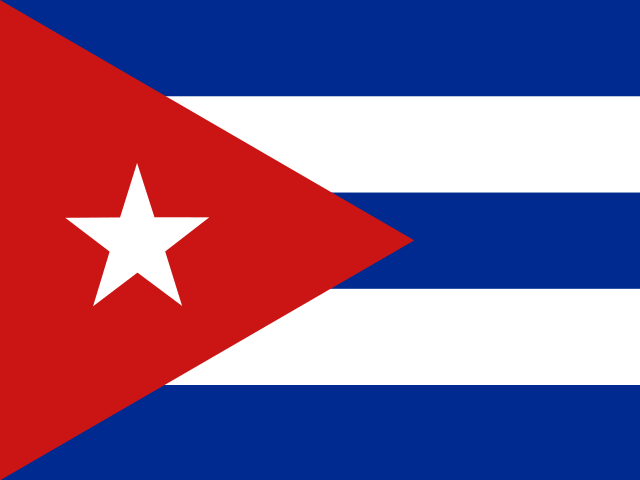
| Directory name | Cuba |
| ISO code | CU |
| Region | North America |
| Capital reference | Havana |
| Language context (CLDR snapshot) | Spanish |
A dated clock example
A program time needs a date and a named time zone. The example below converts the same fixed UTC instant into the zones recorded for this directory entry; it is an illustration rather than a live clock.
| IANA time zone | Local date and time | UTC offset |
|---|---|---|
| America/Havana | 2026-11-04 16:00:00-04:00 | -0400 |
Useful answers
Does a Telerebelde article about a Cuban athlete abroad guarantee a live match broadcast?
No. It establishes the subject of the broadcaster’s reporting. An actual transmission listing is needed for a specific event showing.
What local area does Tele Pinar identify with?
The broadcaster explicitly describes its role through Pinar del Río province, with local news, cultural and community subjects.