
The Democratic Republic of the Congo has a broadcasting context in which national services, provincial production and language-specific bulletins matter together. RTNC identifies itself with the DRC and a Kinshasa base. Keeping that full country identity avoids confusing its material with services associated with the Republic of the Congo.
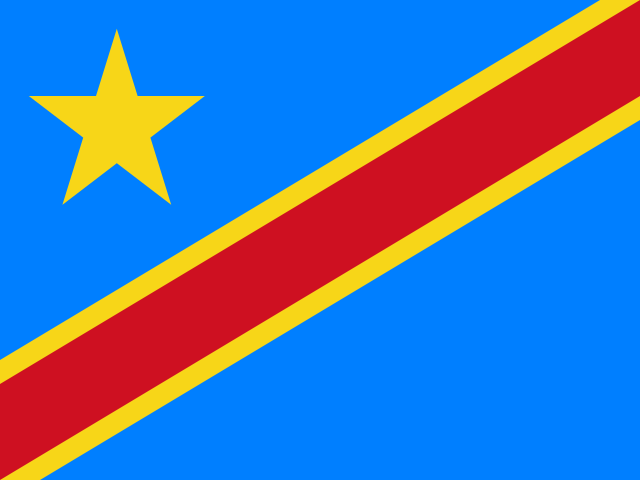
At a glance
| Reference | Detail |
|---|---|
| Country and institution scope | RTNC — Democratic Republic of the Congo |
| Provincial production example | Lisala, Mongala — radio training in November 2026 |
| Named bulletin languages | French, Kikongo, Lingala, Swahili and Tshiluba |
RTNC describes a national cultural and information role
The broadcaster’s institutional profile connects radio and television with the country’s cultural diversity and national public information. Its scope extends beyond a single headline bulletin. A report identified with a province can provide a more specific local perspective within that national organization.
The production medium also matters. RTNC stands for a radio-and-television institution, so an institutional story about radio equipment does not establish a new television channel. The story’s own wording identifies which part of the broadcaster it concerns.
A provincial station provides a concrete example
RTNC’s November 2026 report describes radio technicians receiving training at its provincial station in Lisala, Mongala. The account concerns newly installed equipment, production skills and local access to information. It demonstrates a specific provincial radio-production context within the national broadcaster.
For local research, Mongala and Lisala are useful identifiers. They distinguish this production setting from a national studio announcement in Kinshasa or a report about another province. The dated account explains the activity being undertaken; it should not be stretched into a claim about every provincial transmitter or television service.
Radio Okapi separates bulletins by language
Radio Okapi’s published navigation distinguishes journals in French, Kikongo, Lingala, Swahili and Tshiluba. Its institutional description explains an information, education and entertainment remit reaching different audiences. These separate bulletin labels are more precise than assuming that one general news link contains every language edition.
A person following a community or subject can combine the bulletin language, date and place name. That is a different task from finding an RTNC television production. Together, the national institution, provincial setting and separately labeled radio editions show how language and geography shape broadcasting research in the DRC.
Country and language reference
| Reference | Detail |
|---|---|
| Directory name | Democratic Republic of the Congo |
| ISO code | CD |
| Region | Africa |
| Capital reference | Kinshasa |
| Language context (CLDR snapshot) | French, Swahili, Luba-Lulua, Lingala, Kongo |
A dated clock example
A program time needs a date and a named time zone. The example below converts the same fixed UTC instant into the zones recorded for this directory entry; it is an illustration rather than a live clock.
| IANA time zone | Local date and time | UTC offset |
|---|---|---|
| Africa/Kinshasa | 2026-11-04 21:00:00+01:00 | +0100 |
| Africa/Lubumbashi | 2026-11-04 22:00:00+02:00 | +0200 |
Useful answers
Is an RTNC report about Lisala radio training a new television-channel announcement?
No. The November 2026 account concerns technicians and production at the provincial radio station in Mongala.
Which language journals does Radio Okapi label separately?
Its published navigation lists French, Kikongo, Lingala, Swahili and Tshiluba journals.