
Radyjo Svaboda’s Volnaya Studyya archive offers a focused route into Belarusian cultural conversation. Two original publications show different sides of that work: a July 2014 interview about communal singing in Minsk, and a December 2009 book assembled from the radio series.
These are historical cultural-media records from the broadcaster’s own archive, rather than a current domestic television schedule.
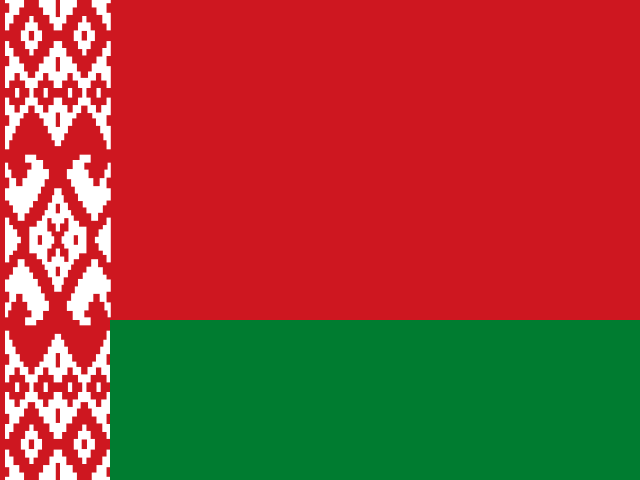
At a glance
| Reference | Detail |
|---|---|
| Historical interview | July 26, 2014 Volnaya Studyya conversation about Minsk singing gatherings |
| Print selection | December 18, 2009 announcement of Mikhas Skobla’s 50-conversation book |
A singing interview has a named cultural subject
In the July 26, 2014 conversation, host Mikhas Skobla interviews Siarzhuk Douhushau about outdoor gatherings where people learned Belarusian songs. The exchange discusses the purpose and organization of those gatherings, including work on traditional seasonal songs.
This makes it a useful starting point for someone interested in participatory singing rather than a polished concert performance. Read the questions as well as the answers: the discussion explains how people approached the music. Its invitation and event plans belong to 2014 and should be kept with that date.
The book is a selection from radio conversations
The broadcaster’s December 18, 2009 announcement describes a Volnaya Studyya book by Mikhas Skobla containing 50 conversations. It connects the publication with a long-running author-led radio interview series and names cultural participants at the launch.
A printed interview collection offers another way into the material. It can help identify a guest or topic, while a broadcast recording preserves the speaker’s voice and timing. A selected book and an individual program entry should therefore be cited separately, even when they share the series name.
Country and language reference
| Reference | Detail |
|---|---|
| Directory name | Belarus |
| ISO code | BY |
| Region | Europe |
| Capital reference | Minsk |
| Language context (CLDR snapshot) | Russian, Belarusian |
A dated clock example
A program time needs a date and a named time zone. The example below converts the same fixed UTC instant into the zones recorded for this directory entry; it is an illustration rather than a live clock.
| IANA time zone | Local date and time | UTC offset |
|---|---|---|
| Europe/Minsk | 2026-11-04 23:00:00+03:00 | +0300 |
Useful answers
Is the 2014 singing interview a concert recording?
It is presented as a conversation with the organizer about learning and singing Belarusian songs. Its format and historical event context differ from a concert.
Does the 2009 Volnaya Studyya book establish today’s radio schedule?
No. It documents a selection of conversations from the radio series, with its own publication date.