
Åland is an autonomous, Swedish-speaking region of Finland. Its television context combines a local public-service organization with distribution of services from neighboring broadcasting systems. Ålands Radio & TV’s own information makes the distinction concrete: it produces local material and is behind Ålandskanalen, while its distribution list also names SVT and Yle channels.
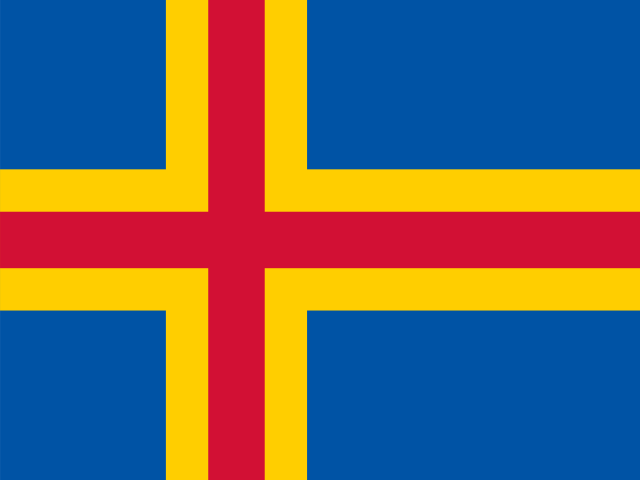
At a glance
| Reference | Detail |
|---|---|
| Territorial scope | Autonomous Swedish-speaking region of Finland |
| Local television identity | Ålandskanalen |
| Distribution examples | SVT and Yle television services |
A local service and a distribution network do different work
Ålands Radio & TV identifies production and distribution as separate responsibilities. It produces daily radio and web content, and it identifies Ålandskanalen as its television channel. The Finnish Government’s June 2026 concession announcement separately concerns its antenna-network role.
For a viewer researching a program, that distinction prevents an easy mistake. A company carrying a channel is not necessarily the organization that made every program on it. The local production identity and the network distributing other services answer different questions.
Swedish-speaking Åland is part of Finland
Finland’s Foreign Ministry explicitly identifies Åland’s autonomous status and Swedish official-language context. The Swedish-language environment should therefore not be mistaken for evidence that the islands form part of Sweden.
That matters when interpreting channel references. A Swedish broadcaster’s name can appear in a local distribution list alongside a Finnish broadcaster’s service. The list describes a media arrangement, not a change in the territory’s political status.
Use the individual service name to understand the reference
The official television list includes Ålandskanalen, SVT1, SVT2 and Yle services. Keeping those names intact helps distinguish a locally identified channel from a service originating within another broadcaster’s portfolio.
For a shared viewing note, retain both the program and the channel that presents it. A local news item and an acquired Nordic series may connect with different places and audiences even when they can be encountered through the same local distribution arrangement.
| Reference | Useful distinction |
|---|---|
| Åland | Autonomous Swedish-speaking region of Finland |
| Ålandskanalen | The locally identified television channel |
| SVT or Yle service | A separately named broadcaster service |
| Ålands Radio & TV distribution | The organization carrying services locally |
A language context does not specify every item’s tracks
The region’s language and a channel’s name help establish context. A particular film or program still has its own presentation. Preserve that distinction when looking for an exact language version rather than assuming every item has identical audio or captions.
Country and language reference
| Reference | Detail |
|---|---|
| Directory name | Aland Islands |
| ISO code | AX |
| Region | Europe |
| Capital reference | Mariehamn |
| Language context (CLDR snapshot) | Swedish |
A dated clock example
A program time needs a date and a named time zone. The example below converts the same fixed UTC instant into the zones recorded for this directory entry; it is an illustration rather than a live clock.
| IANA time zone | Local date and time | UTC offset |
|---|---|---|
| Europe/Mariehamn | 2026-11-04 22:00:00+02:00 | +0200 |
Useful answers
Is Åland part of Sweden because its official language is Swedish?
No. Finland’s Foreign Ministry identifies Åland as an autonomous Swedish-speaking region of Finland. Language and territorial status should be kept distinct.
Does Ålands Radio & TV make every channel it distributes?
Its own material distinguishes local production from distribution. SVT and Yle channel names identify separately named services within the local distribution list.