
Armenia’s public-media sources illustrate an important distinction: a television program can explore a community’s culture without necessarily being broadcast in that community’s language. Public Television’s Ethnocolors and Public Radio’s published account of minority-language programming provide two different routes into the country’s cultural life.
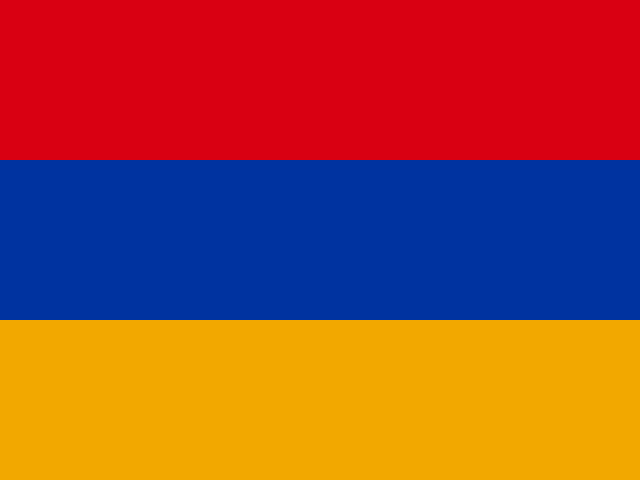
At a glance
| Reference | Detail |
|---|---|
| Cultural-profile series | Ethnocolors |
| Historical-footage program | From the Public TV Archive |
Ethnocolors makes communities the subject
The official Ethnocolors description focuses on national minorities in Armenia, including traditions, religion and cuisine. Its page lists named, dated 2026 editions. That identifies a cultural-profile series and gives viewers concrete episodes to locate, rather than a generic claim that all national television is culturally uniform.
The subject of a program and its spoken language remain separate information. A profile can introduce a community through interviews, narration and translated material. The English text on the broadcaster’s website helps identify the topic, but it does not itself establish an English audio version of the episode.
Radio has a separately documented language role
Public Radio of Armenia’s September 2025 published account describes continuing radio programs in Assyrian, Greek, Kurdish, Russian and Yezidi. Its site also provides separate language destinations. These are specific radio and publishing contexts, rather than an audio-track list for Public Television.
This matters for a viewer or listener researching one community. A cultural television profile may offer images of people, practices and places; a language-specific radio program offers another form of expression. They can complement one another while remaining different media products.
The television archive adds a time dimension
From the Public TV Archive is described as introducing television history through preserved footage. It provides a further way to understand Armenia through broadcasting: a past performance or recording can be relevant as a cultural record even when it is not a new production.
For research, keep the cultural subject, language evidence and recording context together. A dated Ethnocolors episode, a radio-language service and an archival television item answer different questions. Connecting them provides a broader view of Armenian media than treating a single channel name or an English website menu as a complete description of the country’s output.
Country and language reference
| Reference | Detail |
|---|---|
| Directory name | Armenia |
| ISO code | AM |
| Region | Asia |
| Capital reference | Yerevan |
| Language context (CLDR snapshot) | Armenian, Russian |
A dated clock example
A program time needs a date and a named time zone. The example below converts the same fixed UTC instant into the zones recorded for this directory entry; it is an illustration rather than a live clock.
| IANA time zone | Local date and time | UTC offset |
|---|---|---|
| Asia/Yerevan | 2026-11-05 00:00:00+04:00 | +0400 |
Useful answers
Does an Ethnocolors profile prove the episode is spoken in the featured community’s language?
No. Its official description identifies the cultural subject; spoken-language availability needs separate program evidence.
Is Public Radio’s language list an audio menu for Public Television?
No. It describes a separate radio operation and should not be transferred to television programs.