
A link shortener receives a destination URL and creates another address that redirects to it. If the destination contains account access data, the shortener becomes another recipient of that data. A shorter visible link does not remove the underlying secret.
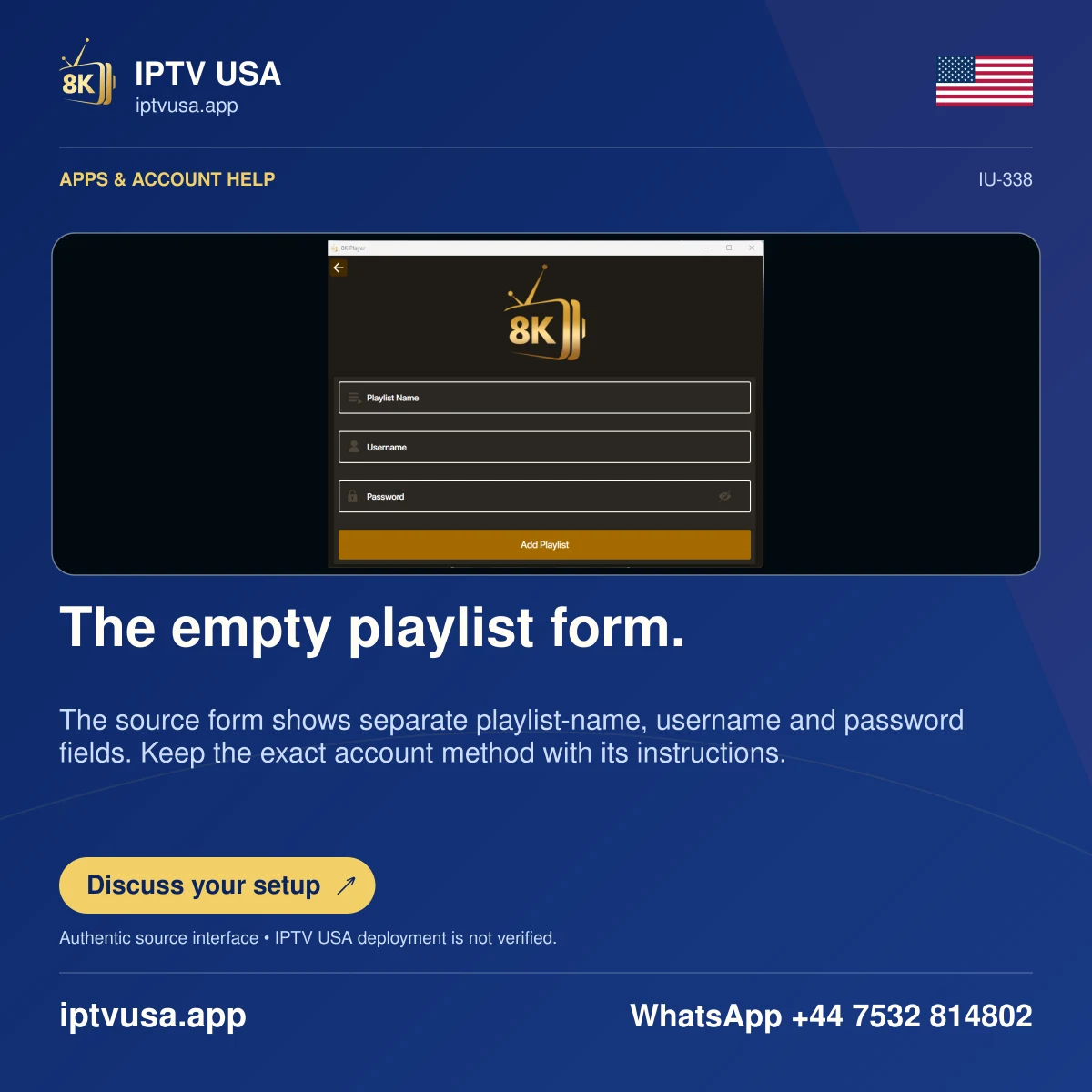
For a player setup, a clear local source label can often solve the usability problem without changing the private address. Use the application’s supported naming field rather than sending the account endpoint to an unrelated service solely for a tidier display.
Understand the new dependency
A shortened link depends on the redirect service as well as the original source. It can stop working or change behaviour independently. The player must also handle the redirect in the relevant way. None of that is established by the destination working directly.
The visible short address can conceal the actual host from a viewer. That makes later verification harder, particularly when an unexpected message presents it as a replacement account endpoint. A recognizable short-link brand is not proof that the destination is the genuine service.
Choose a safer arrangement
If a private URL has already been submitted to a shortener, deleting the visible short link does not establish that the original value was never retained or copied. Review the service’s actual controls and assess account-side replacement or invalidation separately where necessary.
- Identify whether the original URL carries private values.
- Use the documented direct account or playlist input method.
- Give the source a neutral local display label where supported.
- Avoid publishing or shortening access-bearing URLs for convenience.
- Verify any unexpected redirected replacement through the established support route.
Keep support evidence clear
A report that includes only a short link hides information about the intended resource context. For public discussion, use a harmless fictional example instead. For genuine private support, follow the established route and provide only what the task requires.
Do not treat a redirect that eventually returns a document as proof of correct account operation. The response may be a page, an error or another unexpected resource. Identify the actual result and the player’s supported handling before accepting the arrangement.
The useful outcome is an understandable source configuration with limited unnecessary recipients and dependencies. A private address may be inconvenient to type, but an accurate copy into the intended field and a clear local name can solve that problem without creating another public-looking route to the account.
Useful answers
Does shortening a URL remove credentials from the destination?
No. The shortener still receives the complete destination value.
Can a local source name replace the need for a short link?
Often, if the player supports a separate display label.
Does deleting a short link revoke the original account URL?
No. Account-side invalidation is a separate question.