
A support escalation should make the next person’s task clearer. It should explain the current problem, relevant environment and checks already performed. More attachments do not automatically create better evidence, especially when they expose private account data or mix unrelated issues.
Start with one concise problem statement. Name the exact operation and distinguish expected from actual behaviour. A guide-mapping question, software-installation problem and renewal enquiry should not be bundled as one unexplained failure.
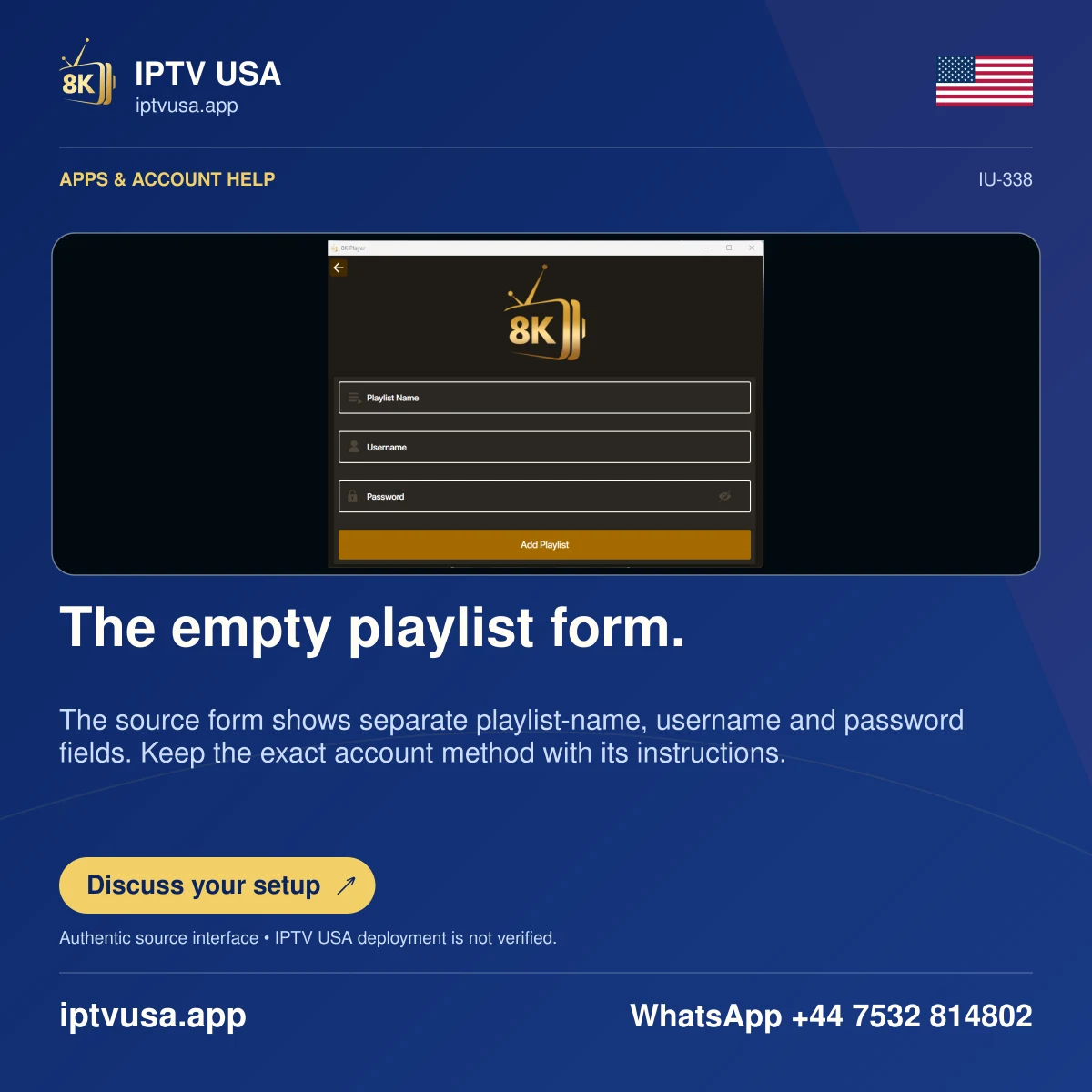
Build the packet around the decision needed
Include the genuine player and installed version, device platform, active source role and precise non-secret error. Add a dated programme example or harmless structural excerpt only when it demonstrates the issue. The recipient should know what question remains to be answered.
Summarize previous checks with their outcomes. “Refreshed successfully but the same wrong regional schedule remains” is more informative than “tried everything.” Keep source inspection, application execution and actual account tests labelled separately.
Prepare a usable handover
Do not infer that the next recipient needs administrator access because an earlier helper did not resolve the issue. Start with minimum relevant evidence through an established genuine support route. Expand the scope only when the diagnostic need is clear.
- State the problem and the specific help needed.
- Provide the relevant software and device context.
- Describe a reproducible action and exact observed result.
- Summarize controlled changes, reversals and remaining uncertainty.
- Review attachments for credentials, private URLs, QR codes and unrelated personal information.
Keep conclusions proportional
A passed parser check does not prove playback. A screenshot of a catalogue does not prove current source retrieval. A developer’s release note is not a hands-on account test. Clear evidence labels prevent the next person from relying on a conclusion that was never established.
If the issue is intermittent, include the observation dates and any known pattern without claiming permanent failure from one event. If a temporary workaround is active, name it and its purpose so it is not mistaken for the normal configuration.
A good escalation packet ends with a concrete unresolved question, such as which guide identity should match a particular edition or whether the intended release supports the observed import form. That gives the next person a reviewable task. It also keeps routine support from becoming an uncontrolled transfer of the entire account and device history.
Useful answers
Does a larger attachment bundle guarantee better support evidence?
No. Relevance and clear scope matter more.
Should static checks and actual account tests be labelled separately?
Yes. They establish different things.
What should the escalation ask for?
A concrete unresolved decision or diagnostic question tied to the evidence.