
A player can support more than one configured playlist or source, but clear identification becomes essential. Similar names make it easy to refresh one catalogue while viewing another, or to delete the copy that holds the household’s preferences.
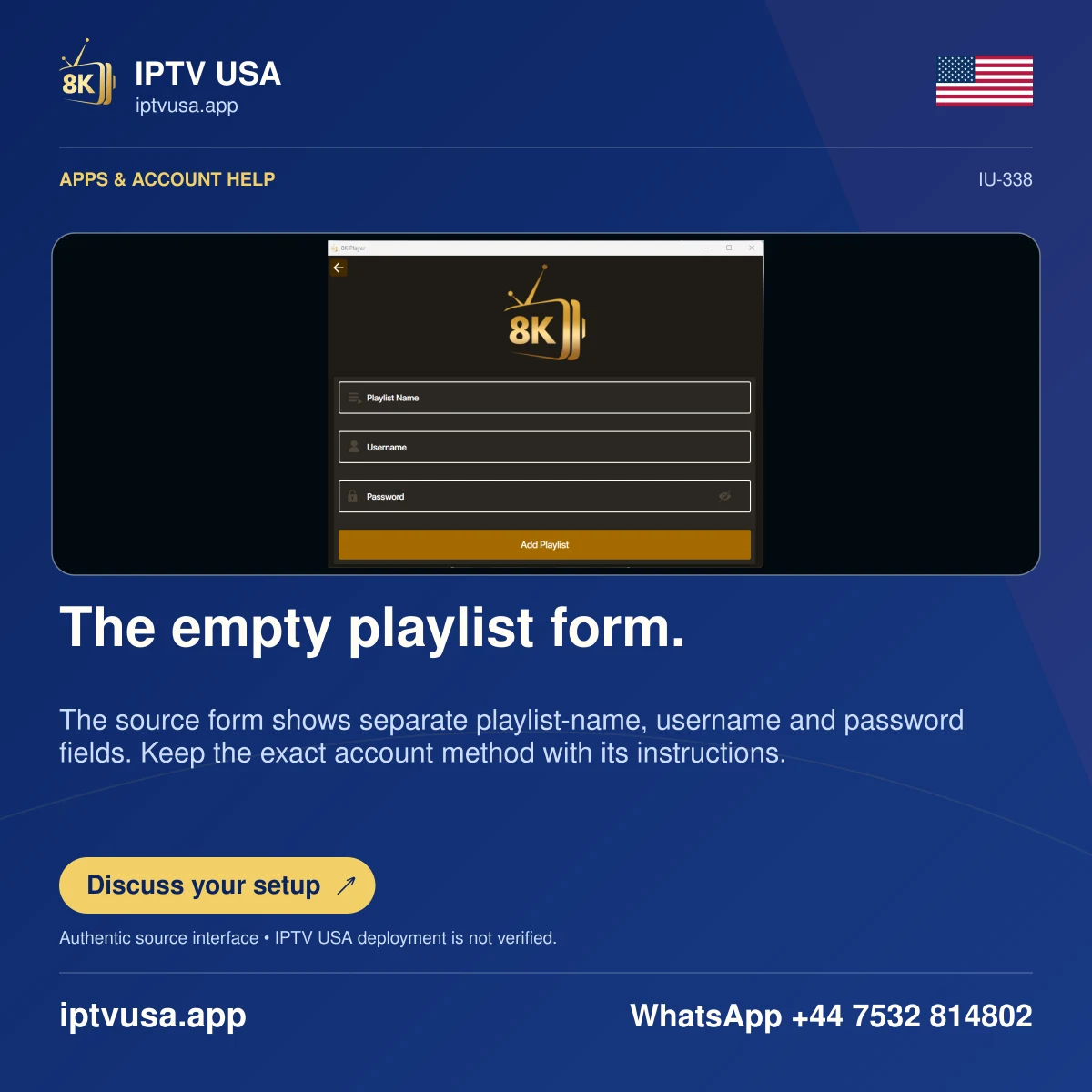
Use neutral local labels that explain purpose without exposing credentials. A source name should not contain a password, full private URL or customer detail that will appear in ordinary screenshots. Keep access values in their intended protected fields.
Name purpose and state
A temporary comparison copy should be labelled as temporary. A local snapshot can include a private date in its maintenance record so it is not mistaken for a remotely maintained source. These distinctions help explain why two lists differ.
Do not assume that two sources with the same channel names are redundant. They may have different editions, guide associations or legitimate purposes. Compare identities and arrangements before deleting either.
Organize a multi-source setup
A global search can include several sources or only the current one. Read the application’s scope rather than assuming that a missing result means no source contains the item. The same caution applies to favourites and guide views.
- List each configured source and its intended role.
- Assign a clear non-secret local label where supported.
- Record whether it is remote, a local snapshot or a temporary diagnostic copy.
- Check which source is active before refresh, search or preference changes.
- Retire verified unnecessary copies only after preserving relevant local data.
Keep account allowances separate
Several configured sources do not establish several permitted simultaneous sessions. Commercial rules belong to the actual account arrangement. A player’s ability to store entries is a software feature, not evidence of entitlement to use them all together.
During support, specify the source label and configuration type rather than forwarding every private playlist. A focused issue is easier to investigate when the maintainer knows exactly which catalogue produced the result.
If a migration creates duplicates, compare the old and new source identities before cleanup. Check favourites, guide mappings and local names attached to each. The useful outcome is a small understandable set of intended sources, with temporary copies removed deliberately and no confusion about which data was tested.
Useful answers
Should a source label contain its password for convenience?
No. Use a neutral non-secret label.
Does storing several playlists prove simultaneous use is allowed?
No. Account allowances are separate.
Should two sources with similar channel names be deleted as duplicates automatically?
No. Compare their intended identities and relationships first.